


Why TNR and spay / neutering house pets is important - Q&A
Understanding TNR (Trap-Neuter-Return)
Q: What is TNR?
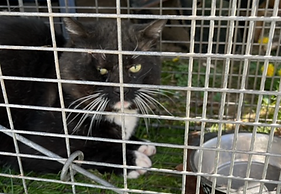
A: Stray and feral cats are caught in humane traps and taken to a vet for spay/neuter surgery. They are also given their FVRCP vaccine which protects against 3 common infectious diseases, and a rabies vaccine. They are then brought back to the place they were caught after recovering from surgery and released. Relocating feral cats is not feasible; it is extremely stressful and disorienting for them. If rescues are able, they will try their best to take adoptable pets instead of returning them to the outdoors.
Feral and unsocialized cats should NOT be brought to a shelter. They don’t belong in a cage, and are subject to being euthanized.
Q: Why are their ears tipped?
A: A "tipped" ear (the surgical removal of a small portion of the left ear) is the universal sign that a community cat has been fixed. This prevents them from being trapped and put under anesthesia a second time. It does not hurt the cat!
Q: What is the point of TNR?
A: The main goal is HARM REDUCTION. Cats who live outdoors suffer, and this is amplified when they are not spayed/neutered.
-
Unfixed male cats fight viciously with each other over female cats.
-
Female cats suffer giving birth over and over and over.
-
1 in 4 kittens born outside do not survive.
-
Outdoor cats are harmful to local ecosystems.
Additionally, the occurrence of male cats spraying is reduced greatly.
Spaying/Neutering Your Pets
Q: Why do I have to spay/neuter my pet?
A: For several reasons:
-
Un-spayed female cats are likely to develop pyometra, and heat cycles increase a cat's risk of mammary and reproductive cancers.
-
Un-neutered male cats are likely to spray and have increased risk of cancer.
-
Male and female cats that are not fixed are more aggressive.
-
Cats that are not fixed will try very hard to get outdoors and mate.
-
Your cats will mate even if they are siblings.
-
Your cats creating avoidable litters perpetuates and endless cycle that rescues and shelters try so hard to fix. Handing out unfixed and unvetted kittens to friends, family or people on the internet is setting them up for poor quality of life.
Q: I want my female cat to experience giving birth and being a mom.
A: This is projecting human feelings onto an animal. Mom cats do not decide they want to have babies. They sometimes reject their children entirely and are usually done with them by the time they are 8 weeks old.
Getting Involved & Finding Help
Q: How do I trap a cat?
A: Always have a plan first. Never trap a cat without a confirmed vet appointment, as staying in a trap for too long is stressful. See our list of low cost spay/neuter clinics below. For a full guide on trapping, click here for the Alley Cat Allies TNR Guide.
Q: Where do I get a trap?
-
Borrow: Animals In Distress NJ offers trap loans (first-come, first-serve) with a refundable deposit. Email animalsindistressnj@gmail.com. Review our trap borrowing agreement here.
-
Other local rescues and shelters may offer trap borrowing programs.
-
Buy: Look for "2-door" retail models (one trap door + one sliding door).
Q: I found a nursing mom cat. What do I do?
A: Keep them together! Never separate a mom from kittens who can't eat on their own. Click here to read our guide on mom cats & their kittens.
Q: I don’t want to spay a pregnant mom and abort her kittens.
A: Spay-aborting is not cruel - it’s compassionate.
-
Unfixed female cats are subject to PYOMETRA which is a deadly infection of the uterus. This happens when they go through heat cycles without getting pregnant. Waiting to see if she is pregnant could cost her her life.
-
Mom cats don’t mourn their unborn babies - but they DO mourn dead kittens.
-
1 in 4 kittens born outside do not survive. They have no immunity against infectious diseases such as panleukopenia, calicivirus, or upper respiratory infections. They also fall victim to predators, anemia from fleas, being hit by cars, poor nutrition, etc.
-
-
Female cats can become pregnant as early as 4 months old - when they are still kittens themselves. They can have up to 5 litters a year for life. This disrupts:
-
The overpopulation of cats born outdoors
-
Mom’s quality of life. Giving birth over and over increases her risk of infections, illness, stress, and death. She may also be breastfeeding while pregnant with her next litter.
-
-
There are NOT ENOUGH RESOURCES for preventable kittens.
-
Shelters and rescues are incredibly overwhelmed with kittens and do not have space, time and resources to care for all of them.
-
Lack of space in shelters due to preventable litters being born leads to tens of thousands of animals being euthanized every week in the US.
-
Q: Who pays for TNR?
A: Generally speaking the property owner where the cats reside covers the cost of TNR. The cost varies depending on which clinic is used. When property owners refuse to pay because they don't care about the well being of the cats, we assume financial responsibility.
To contribute to our TNR fund and help us continue taking care of our community cats, click here.
Low-Cost Spay & Neuter Clinics
Fees vary by location. Most packages include surgery, vaccines, and flea treatment.
* Cats Only Veterinary Hospital / McSNIP
19 Brookside Avenue Pennington, NJ 08648
640-214-7647
*People for Animals, Inc. – Robbinsville
1 Sharon Road Robbinsville, NJ 08691
609-208-3252
* You may be eligible to have your pet spayed or neutered at a discounted price of $10 at one of the participating veterinary hospitals above. Click HERE to learn more.
Forgotten Cats - Willow Grove, PA and Trainer, PA
215-219-8148
www.forgottencats.org/clinic.php
FoBCAS - Mount Laurel, NJ
856-533-0464
https://friendsofbcas.org/resources/low-costspay-neuter-program/
Animal Alliance - Lambertville, NJ
609-818-1952
Ace of Spays - Hainesport, NJ
609-267-2111
Spay Neuter Center of NJ - Holmdel, NJ
732-796-0900
EASEL Animal Shelter - Ewing, NJ
609-883-0540
https://www.easelnj.org/programs/
Pura Vida - Titusville, NJ
609-397-9192
puravidaanimalrescue@gmail.com
https://puravidaanimalrescue.org/contact-us
NoNonsense Neutering - Allentown, PA
866-820-2510
Penn Pet Clinic - Pennsauken, NJ
856-979-6585
Bridge Clinic - Bensalem, PA
215-639-3333